

How Cape Cod Winters Lead to Moss and Algae Growth on Roofs
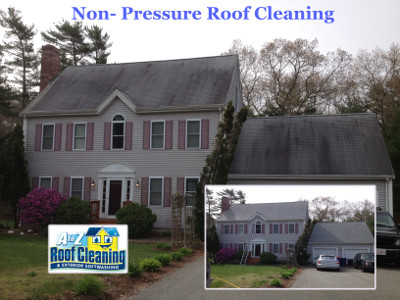
Winter on Cape Cod looks beautiful, but the long mix of cold, wind, and ocean moisture creates ideal conditions for organic growth on shingles. If you've noticed black streaks on roof surfaces or thick green patches of moss on roof areas that rarely see the sun, you're seeing how a coastal winter sets the stage for spring and summer overgrowth. That's why homeowners across Cape Cod plan timely roof cleaning to protect curb appeal and keep shingles performing as they should.
Why Cold-Season Moisture Lingers On Cape Cod Roofs
Cape Cod's geography funnels damp ocean air across neighborhoods from Falmouth and Mashpee to Barnstable, Yarmouth, and Dennis. When daytime thaws meet chilly evenings, thin films of condensation settle on shingles and in the mineral granules of asphalt, holding moisture right where spores can feed.
Roofs need steady drying to stay healthy. But winter's short days, low sun angles, and frequent cloud cover slow evaporation. Add wind-driven coastal drizzle, and you have a surface that stays damp long after a flurry or shower passes. In that dampness, spores of algae and moss anchor, spread, and start forming the black streaks and green clumps many homeowners notice by late winter.
How Shade and Tree Cover Accelerate Growth
Shady roof planes on homes tucked under pitch pines and oaks in towns like Sandwich, Harwich, and Chatham often show early signs of organic growth. Shingles on the north and northeast exposures dry last, especially behind dormers, chimneys, and valleys, where air movement is limited.
- North-facing slopes stay cooler and wetter, especially after coastal storms.
- Overhanging branches drop needles and leaves that trap moisture in the shingle texture.
- Gutters shaded by trees can stay damp longer, raising humidity along the eaves.
When shade and leaf litter combine, micro-environments form. These pockets keep shingles wet, which is all algae and moss need to expand across the surface.
Freeze-Thaw Cycles Create Micro-Gaps Where Growth Thrives
Winter is full of small daily swings around freezing. Water seeps into tiny surface pits within the shingle's protective granules. As temperatures dip, that water freezes and expands, widening the pits just enough to hold more moisture the next day. Over weeks, this cycle roughens the surface, which unintentionally gives organic growth more places to grip.
You won't see this with the naked eye, but you'll notice the result by late winter and early spring: more stubborn streaks and thicker moss pads. Left alone, those pads can lift shingle edges and hold even more water against the roof.
Coastal Storms and Salt Air Help Spread Spores
Nor'easters whip up salt-laden spray and drive rain sideways. That action moves spores across neighborhoods from Bourne to Provincetown. Salt doesn't kill roof algae; in small amounts, it can stress shingles and metal flashings without stopping organic growth. Storm debris like needles and twigs also lands on the roof and traps extra moisture, turning small streaks into broad stains.
After major winter storms, a simple visual check from the ground can help you spot new debris build-up in valleys and along eaves. If you notice increased streaking or thickening moss pads as snow melts, plan service before spring rains give growth a quick boost.
What Those Black Streaks and Green Patches Really Are
Those smoky lines you see sliding down from the ridge are often a blue-green algae commonly called gloeocapsa magma. It thrives on the mineral content of shingles and spreads fastest where moisture lingers. Thick green clumps are moss, and the light, crusty patches that feel like stone are usually lichen, a partnership of algae and fungus that bonds tightly to the surface.
Black streaks aren't just stains; they're living growth that feeds on your shingles and shortens roof life if ignored. On Cape Cod, many homeowners search for roof moss removal in spring because winter sets the table for aggressive growth. The sooner those colonies are addressed, the easier they are to manage.
Why Gentle, Professional Cleaning Protects Your Roof
Modern asphalt shingles depend on intact protective granules. High pressure can strip those granules and push water where it shouldn't go. Professional cleaning methods are designed to remove growth while respecting manufacturer guidance and local conditions on the Cape.
- Appropriate cleaners target algae, moss, and lichen so they can be released from the surface.
- Low-pressure application and rinse help preserve shingle material.
- Experienced technicians recognize vulnerable areas around flashing, skylights, and vents.
Never allow anyone to blast shingles with high pressure, since that can void warranties and reduce shingle life. A careful process clears growth and helps shingles shed water the way they were designed.
Moisture, Shade, and Freeze-Thaw: How They Work Together
Think of winter like a slow-moving recipe. Moisture provides the water, shade keeps that water from drying, and freeze-thaw roughens the surface so growth grips harder. Add the Cape's salty breezes and storm debris, and the result is a faster spread of algae and moss across shingles from Hyannis to Orleans, Wellfleet, and Truro.
That's why people looking up terms like moss on roof Cape Cod or roof moss removal Cape Cod often do so in late winter. They notice those streaks and clumps growing bolder as days lengthen, and they want a professional plan before spring showers accelerate the problem.
When Cape Cod Homeowners Should Schedule Service
Timing matters because it affects how quickly results appear and how well shingles dry afterward. Many Cape homeowners book between late winter and mid-spring to knock back growth before the rainy season. Others schedule in late summer after the humid stretch has passed and leaves haven't started dropping yet. In either case, a professional evaluation ensures the method suits your roof's age and material.
Booking before the spring rush can help you secure a preferred date and reduce the window that growth has to spread. If you're weighing options for algae removal for roofs in Massachusetts, start with an assessment that factors in shade patterns, past storm exposure, and the way your roof planes shed water.
What To Expect From a Professional Visit
A trained team will review your roof's pitch, material, and drainage. They'll note sun and shade patterns, especially on north-facing slopes. They'll choose a method tailored to organic growth types on your shingles and protect surrounding landscaping as they work. After treatment, they'll verify that water is flowing correctly at edges and valleys so the roof starts drying faster between winter weather events.
Because winter conditions vary from Sandwich to Provincetown, expect recommendations to focus on your roof's exposure, nearby trees, and any history of ice dams. The goal is a surface that looks better and dries more efficiently, so new spores have less chance to take hold.
How This Protects Curb Appeal and Roof Longevity
Algae, moss, and lichen all trap water against your roof. Over time, that extra moisture can age shingles faster, make granules slough off, and dull the color that frames your home's exterior. Removing growth restores a clean look and helps shingles shed water the way they should. That's peace of mind during the next nor'easter and through the shoulder seasons when Cape weather likes to change by the hour.
Why Choose a Local Team That Understands Cape Cod Roofs
Local experience matters in neighborhoods where ocean exposure, shade, and tree species vary street by street. A crew that services homes from Barnstable and Dennis Port to Eastham and Chatham understands how winter patterns show up on specific roof planes and materials. That familiarity helps them spot the early signs of trouble and select the right cleaning approach.
If you're researching options, look for a partner that prioritizes roof health over quick results, communicates clearly, and stands behind their work. A conversation should cover your home's exposure, shade, and freeze-thaw history, not just what the roof looks like today.
How Roof Cleaning Fits Into Whole-Home Exterior Care
Your roof doesn't stand alone. Clean, functioning gutters, clear valleys, and healthy siding all help water move away from the house. Partnering with a trusted pressure washing company gives you a plan for roof, gutters, and other exterior surfaces throughout the year, adjusted for Cape Cod's coastal climate.
For many homeowners, a routine that includes periodic evaluation of north-facing planes, tree trimming to increase sunlight, and professional cleaning when growth reappears is enough to keep black streaks on roof surfaces from returning quickly. That rhythm respects the seasons and the realities of living by the water.
Ready To Stop Winter-Driven Growth In Its Tracks?
When your shingles are clean, they dry faster, resist new spores, and make your home look cared for in every season. If you're seeing signs of algae or moss and want a safe, effective plan that respects your roof and our coastal climate, it's time to talk with the local team that understands Cape Cod from Falmouth to Provincetown.
Reach out to A to Z Softwash to schedule a visit or request a roof evaluation that considers shade, moisture, and freeze-thaw on your specific home. Call us at 508-209-7795 and ask about an assessment that targets the root causes of growth rather than just the symptoms.