

How Ice Dams Damage Cape Cod Roofs and What to Watch For
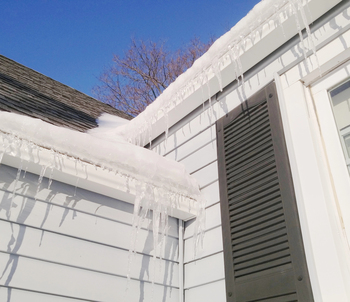
On Cape Cod, winter often swings above and below freezing in a single day. That freeze-thaw rhythm can set up perfect conditions for ice dams, and they're tough on shingles, gutters, and drywall. If you want to cut your risk before the next nor'easter, it starts with a clean, free‑flowing roof system and consistent maintenance from trusted pros. Thoughtful upkeep, including professional roof cleaning in Cape Cod, MA, helps water move where it should and keeps trouble from backing up under your shingles.
Why Cape Cod's Freeze-Thaw Cycle Triggers Ice Dams
Ice dams form when heat from inside the home warms the roof deck and melts the bottom layer of snow. Meltwater runs down to the colder eaves and gutters and refreezes. As this cycle repeats, a ridge of ice builds along the edge. Water then pools behind the ice and looks for the easiest path into your home, often under shingles, around nail holes, or through tiny gaps at flashing.
Cape Cod has frequent temperature swings near 32°F, brisk coastal winds, and roof exposures that see strong winter sun in the afternoon. South- and west-facing slopes may warm just enough to melt snow, while shaded eaves stay below freezing. Homes in Hyannis, Sandwich, and Falmouth often see this pattern after a sunny afternoon followed by a quick evening drop in temperature.
The Hidden Ways Ice Dams Damage Your Home
Once an ice dam forms, damage can be slow and sneaky. Water that slips beneath shingles can wet the roof deck and insulation. Over time, that moisture can stain ceilings, swell trim, and feed mold inside attic cavities. At the edge, the weight of ice can bend gutters, loosen fasteners, and open gaps where wind-driven rain sneaks in during the next storm.
On asphalt roofs, moisture trapped under granules weakens the bond and shortens shingle life. Moss and lichen that have lifted shingle edges make it easier for water to travel uphill by capillary action. Debris in valleys slows runoff, so even a small ridge of ice can cause water to spread sideways into underlayment and seams.
What To Watch For After Snow On Cape Cod
Ice dams don't always announce themselves with big icicles. Look for small clues outside and inside, especially after a day that warms up and then dips below freezing.
- Outside: Uneven snow melt, shiny ice bands at the eaves, gutters sagging or dripping hours after sunset, and stained soffits.
- Inside: Brown ceiling spots, damp attic insulation, a musty smell, or faint lines where drywall tape meets the ceiling.
Never chip ice from shingles or pry on gutters with tools. That can tear the protective surface, break seals, and void warranties. If you suspect an ice dam after a storm, document what you see and let a pro assess it safely from the ground and roofline.
How Professional Roof Cleaning Reduces Ice Dam Risk
Ice dams are driven by heat loss and temperature swings, but the condition of your roof surface often decides whether meltwater slips off cleanly or backs up. Here's how expert cleaning and maintenance help:
- Debris Removal: Leaves, pine needles, and twigs clog gutters and valleys. When meltwater hits a blockage, it pools, refreezes, and builds ice faster.
- Moss and Lichen Treatment: Organic growth lifts shingle edges and traps moisture. A gentle soft-wash removes growth so water flows along the surface instead of under it.
- Algae Streaks Addressed: Dark stains absorb more sunlight and create hot spots that speed up uneven melt. Cleaning evens surface temperatures and improves runoff.
- Early Problem Detection: During cleaning, pros can spot loose flashing, cracked seals, or failing starter courses at the eaves that make ice dam leaks more likely.
Good maintenance doesn't replace proper attic insulation and ventilation, but it supports the whole system. Clean surfaces, open gutters, and intact flashing give meltwater a clear path off the roof, which lowers the chance of refreezing at the edge.
Local Conditions That Make Cape Cod Roofs Vulnerable
Many homes in Barnstable and Yarmouth have low-slope additions tied into steeper main roofs. Where those planes meet, snow stacks up and melts slowly. Dormers that empty into short valleys also concentrate water. In Harwich and Dennis, mature pines drop needles all fall, so by January gutters and valley channels may already be narrowed.
Salt air doesn't melt ice, but it does accelerate corrosion on fasteners. When a gutter hanger loosens, even a thin ice sheet can pry it down farther, opening a gap behind the fascia. Over several storms, that gap becomes a leak path for meltwater tracking along the back of the gutter.
Warning Signs You Shouldn't Ignore
Some symptoms are easy to dismiss during a busy winter. A quick walkthrough after each storm can save you from bigger headaches in March.
Watch the interior after warm-to-cold swings. If you see tiny ceiling halos or a faint drywall ripple along outside walls, don't wait for a larger stain. Peeling exterior paint near soffits, icicles attached to siding, or water beading on window trim also point to hidden roof-edge leaks.
From the yard, sight along the eaves. Long, clear icicles often mean active meltwater is hitting a cold edge and refreezing. If those icicles connect back to a glazed ice band along the gutter, there's a good chance water is pooling behind it.
Why Timing Your Maintenance Matters
On the Cape, late fall is the best time to clear the roof surface and gutters before the first deep freeze. However, midwinter upkeep still helps. After a heavy snow followed by sun, a professional cleaning visit can check valleys for debris, confirm gutters are open, and note any lifted shingles or loose flashing at the eaves.
If you experienced ice dams last season in Orleans or Chatham, don't assume a milder forecast will spare you. The pattern often repeats on the same edges and valleys because the roof geometry and sun exposure haven't changed. A maintenance plan that includes periodic assessments and cleaning keeps risk lower across variable winters.
The Role Of Safe, Soft-Wash Methods
Winter is not the time for high-pressure washing on shingles. Gentler, manufacturer-aligned soft-wash methods with the right detergents remove algae, moss, and grime without stripping granules. That preserves the protective surface and helps your roof shed water evenly during freeze-thaw cycles. Skip any approach that relies on high pressure at the shingle face; it can drive water where it doesn't belong and reduce shingle life.
If your home in Mashpee or Falmouth sits under oaks or pines, organic debris will return each season. A recurring service plan keeps surfaces clear so meltwater isn't forced to hunt for a path around needles or leaf dams.
What A Professional Inspection Covers During Winter
A winter-focused roof check looks at the whole melt path, not just the top layer of snow. Crews evaluate shingle condition along eaves, seals at penetrations, step flashing by dormers, and the slope and capacity of gutters. They also look for signs that water has been running behind the gutter, such as clean streaks on fascia or stained soffits.
When paired with a careful cleaning, that inspection builds a record of the roof's behavior. If a particular valley or dormer seam keeps showing trouble, it can be flagged for off-season repair. That way, you're not racing the weather when the March thaw puts more water on the move.
Connecting Roof Cleaning To Peace Of Mind
Homeowners often ask how cleaning can help when ice dams are about temperature, not just dirt. The answer is flow. The cleaner and clearer the path, the less opportunity water has to pause, refreeze, and creep under shingles. A scheduled visit for roof cleaning on Cape Cod aligns surfaces, opens channels, and removes growth that amplifies freeze-thaw stress.
If you're unsure where to start, team up with a roof cleaning company on Cape Cod that knows the neighborhood winds, sun angles, and typical roof details from Bourne to Provincetown. Local experience helps spot risky roof geometries quickly and build a plan that fits your home's age and materials.
Next Steps Before The Next Storm
Take a few minutes after a snowfall to look from the ground at your eaves and ceilings, then document anything unusual. If you notice stains, sagging gutters, or a growing ice band at the edge, schedule an assessment promptly. A pro can evaluate the roof, clear debris safely, and lay out a maintenance plan tailored to Cape Cod's winter pattern.
For year-round confidence, set up a recurring visit that times cleaning around leaf drop and early cold snaps. That cadence keeps valleys open, gutters flowing, and roof surfaces consistent as temperatures swing. When runoff can move freely, ice dams have fewer places to start.
Think your roof is at risk, or seeing early warning signs after this week's freeze-thaw? Call A to Z Softwash at 508-209-7795 to plan a maintenance check before the next cold front.