

How Often Should You Clean Your Roof on Cape Cod? A Roof Cleaning Cape Cod, MA Guide
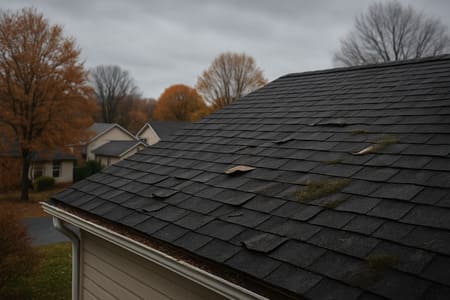
Wondering how often to schedule roof cleaning in Cape Cod, MA? The short answer is that it depends on your exposure, shade, and roof material. Salt air, coastal wind, pine pollen, and humid summers all play a role. If you want a simple, local answer, A to Z Softwash can help with professional roof cleaning in Cape Cod, MA that keeps your roof looking great and performing well.
Why Cape Cod Roofs Need a Different Schedule
Life by the water is beautiful, but it is tough on roofs. Ocean air carries fine salt that sticks to shingles. Summer humidity feeds algae and moss. Black streaks you see on many Cape homes are from algae, not dirt. Black streaks are algae, not dirt. Left alone, growth holds moisture and shortens the life of your roof.
Neighborhoods from Sandwich and Barnstable to Falmouth, Yarmouth, Dennis, and Chatham see different conditions. Homes shielded by trees stay damp longer. Oceanfront homes face nonstop salt spray. These factors change how often you should plan a cleaning. For a deeper look at the service itself, explore roof cleaning Cape Cod, MA from our home base.
How Often Should You Schedule Roof Cleaning in Cape Cod, MA
No two homes are the same, so think in ranges. Your ideal timeline is shaped by how close you are to open water, how much shade you have, and what the roof is made of. Use the sections below to set a sensible plan for your house, then fine tune based on what you see through the seasons.
Recommended Cleaning Frequency by Exposure
Oceanfront and Bayside Homes
Houses that face Nantucket Sound, Cape Cod Bay, or Vineyard Sound collect chloride crystals and fine salt. That film attracts moisture and supports algae on shingles. If you are steps from the beach in Hyannis, Falmouth Heights, or along Town Neck Beach in Sandwich, plan on shorter intervals. Plan cleanings every 12–18 months if you live near open water.
Wooded Lots and Heavy Shade
Homes tucked under pines and oaks, common in Dennis, Mashpee, and parts of Orleans, stay damp longer. Needles and leaves collect on slopes and hold moisture. In these conditions, moss and lichen start faster. Expect a 12–24 month window for most roofs in deep shade.
Inland Neighborhoods and Open Sun
In areas with steady sun and good airflow, algae grows more slowly. If you are farther from the shoreline with fewer overhanging branches, you may stretch cleaning cycles to about 24–36 months. Keep an eye on the north-facing slopes, where growth usually shows first.
How Roof Type Changes the Timeline
Asphalt Shingle Roofs
This is the most common roof type on Cape Cod. Shingles can show black streaks after only one humid season. Gentle, low-pressure cleaning helps preserve the granules. For most asphalt roofs, a 18–30 month cycle works, adjusted by exposure and shade.
Cedar Shake Roofs
Cedar looks classic in Chatham and Dennis Port, but it holds moisture and supports moss and lichen if airflow is poor. Soft washing with solutions made for wood, followed by careful rinsing, is the typical approach. Many cedar roofs benefit from a 12–24 month check and clean cadence.
Metal Roofs
Metal sheds growth more easily, but salt film and pollen still collect. The seams and fasteners need attention to prevent buildup. A 24–36 month schedule is common unless you are directly oceanfront, where a shorter timeline can make sense.
Synthetic Slate or Concrete Tile
These materials resist algae more than wood, but shaded or coastal settings still invite growth. Expect a 24–36 month interval in average conditions, sooner with heavy tree cover or constant salt spray.
Coastal insight: salty air across Cape Cod deposits a fine film that feeds algae and holds moisture on shingles. If your home sits within a short walk of open water in Hyannis, Falmouth, Sandwich, or Chatham, plan for shorter cleaning intervals to keep growth in check.
Seasonal Timing on Cape Cod
Timing matters just as much as frequency. Cape winters are cold and windy, while spring and fall offer milder days and steadier temps. Cleaning when pollen has settled and before leaves drop sets your roof up for a cleaner, drier season.
- Best windows: late spring after heavy pollen, and early fall before leaf drop.
- Avoid deep freezes and active storms so solutions work properly and rinse safely.
After intense nor’easters or a tropical system brushes the Cape, schedule an inspection. Debris can trap moisture and speed up growth on sheltered slopes and around skylights.
What Shortens the Time Between Cleanings
Some conditions speed up algae and moss. If two or more of these apply to you, plan on the short end of the ranges above:
- Within close range of open water or a windy shoreline
- North-facing slopes that see little sun
- Heavy tree canopy or valleys that collect needles and leaves
- Past growth problems such as moss or lichen patches
Homes in low spots where fog lingers, or near wetlands with steady humidity, also trend toward faster buildup.
How Professional Methods Affect Your Schedule
Quality matters. Low-pressure, solution-based cleaning removes organic growth without scouring shingle granules or raising cedar fibers. A careful, even application reaches stubborn streaks on the north side and tight areas around chimneys and dormers.
Never allow high-pressure washing on asphalt shingles. High force can strip protective granules and shorten roof life. A trained pressure washing team uses soft washing methods tailored to your roof type and exposure so you can go longer between services.
Your Roof Maintenance Schedule: A Simple Plan for Massachusetts Homes
Use this outline to keep your roof on track without overdoing it. It fits Cape Cod’s blend of salt air, humidity, and tree cover, and aligns with a sensible roof maintenance schedule in Massachusetts.
Annual roof checkups catch small issues before they spread. Pair a visual inspection with a light service to remove debris in valleys, behind dormers, and along skylights. Then clean on the timeline that matches your exposure and roof type. If growth returns early on north slopes, adjust your interval by a few months rather than waiting for a full cycle.
How to Tell It Is Time to Clean
Even with a good plan, your roof will tell you when it needs attention. Watch for these signs on the Cape:
- Black streaks that do not rinse away in the rain
- Green tufts or thick patches on shaded north slopes
- Gray, crusty spots that look like flakes or plates
- Granule-filled gutters on shingle roofs after growth appears
If you notice two or more of these, schedule service soon. The sooner organic growth is removed, the easier it is to keep on a longer cycle next time.
Setting the Right Cadence for Your Address
Every Cape Cod street has its own microclimate. A home in West Yarmouth that faces open water may need quicker cleanings than a house a few blocks inland in South Yarmouth. A cedar roof under tall pines in Dennis Village behaves differently from a sunny asphalt roof in East Falmouth. Match your schedule to your exact setting and you will protect curb appeal and roof performance.
Work With a Local Pressure Washing Pro
Hiring a local team means your roof is cleaned with methods that fit Cape Cod weather and materials. The A to Z Softwash crew understands how ocean winds, pine pollen, nor’easters, and summer humidity change the plan for each neighborhood. If you want a deeper explanation of the process, you can review schedule a roof cleaning in Cape Cod, MA and see how our soft washing approach protects your roof while removing stains.
Ready to set your timeline and get on the calendar? Call 508-209-7795 to talk with a local specialist who will tailor a simple, no-stress plan for your roof and exposure.