

The Difference Between Roof Soft Washing and Pressure Washing
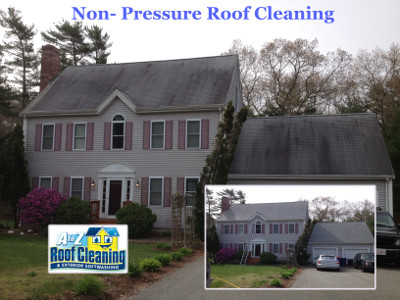
Your roof deals with salty sea air, spring pollen, and nor’easters that push moisture into every seam. That mix feeds algae, moss, and lichen that stain shingles and shorten roof life. The safest, most effective way to remove those growths is roof soft washing, not blasting with high pressure. If you want a deeper look or are ready to schedule service, see our detailed page on roof cleaning in Cape Cod, MA.
This guide explains how soft washing protects asphalt shingles and cedar roofs across Hyannis, Barnstable, Falmouth, Yarmouth, Dennis, and Sandwich. You will see why it cleans better, lasts longer, and helps you avoid early replacement.
What Soft Wash Roof Cleaning Means on Cape Cod
Soft washing is a low-pressure cleaning method that uses a targeted cleaner to break down organic growth. The cleaner does the heavy lifting, and a gentle rinse carries away stains without stripping protective granules.
How Soft Washing Works
A professional crew applies a roof-safe solution that treats algae like Gloeocapsa magma, the source of black streaks. It also loosens moss and lichen that hold moisture against your shingles. After proper dwell time, the crew rinses at low pressure to reveal an even, clean surface.
The result is a uniform clean that reaches into overlaps and shingle texture. Because the pressure is controlled, the process protects vent boots, flashing, skylight seals, and delicate ridge caps.
What High Pressure Does To Shingles
Pressure washing is designed for hard surfaces such as concrete or pavers. On a roof, that same force can remove shingle granules, lift edges, and push water under tabs. Cedar roofs can splinter or fuzz, which traps more moisture.
Never let anyone use high pressure on asphalt shingles. It voids many manufacturer guidelines and can shorten roof life. Even if the surface looks clean for a while, the damage often shows up later as leaks, granule loss, or uneven color where the surface layer was stripped.
Why Cape Cod Homes Benefit From Soft Washing
Cape Cod’s coastal climate fuels organic growth. Sea breeze carries salt and fine sand. Spring brings pine pollen from Mashpee to Harwich. Humid summers and shaded lots in Chatham and Orleans keep roofs damp. That is a perfect recipe for algae and moss.
Soft washing addresses the source. The cleaner neutralizes growths, so they do not bounce back after the first rain. Because pressure stays low, shingles keep their UV-protective granules. That helps your roof endure winter wind and summer sun along Route 6 and out to Provincetown.
Asphalt vs. Cedar in Salty Coastal Air
Asphalt shingles tend to show black streaks first. Cedar can darken, grow moss in shaded valleys, and lose its crisp look. Soft washing can be dialed in for each material so the roof is cleaned without rough handling. The key is the right solution strength and a gentle rinse.
What To Expect From a Professional Soft Wash Service
Good companies follow a clear plan from setup to final rinse. That keeps your property safe and delivers a consistent result from Bourne to Wellfleet.
- Property prep: protect landscaping, cover delicate shrubs, and set controlled runoff paths.
- Application: apply cleaner evenly to break down algae, moss, and lichen.
- Dwell and detail: allow proper time, then brush or treat stubborn patches as needed.
- Low-pressure rinse: remove residue without lifting shingle edges or splintering cedar.
- Final check: clear gutters and downspouts, rinse nearby windows, siding, and patios.
You should get clear communication about timing, safety, and what to expect in the first few rains. Some moss can release over a week or two as roots let go. That is normal after a correct soft wash.
Soft Wash Roof Cleaning vs. Pressure Washing: The Real Differences
- Pressure level: soft washing uses low pressure designed for shingles; pressure washing uses high force built for concrete.
- Cleaning action: soft washing relies on a roof-safe solution; pressure washing relies on mechanical force.
- Risk: soft washing protects granules and cedar fibers; pressure can strip, lift, and drive water under shingles.
- Results: soft washing treats the source of growths for longer-lasting results; pressure often leaves roots behind.
Think of it like washing a wool sweater. A gentle soak and rinse keep the fibers intact. A power scrub might look fast, but it ruins the fabric. Your roof deserves the gentle approach.
Local Signs Your Roof Needs Soft Washing
Look up after a stretch of humid weather or a string of foggy mornings off Nantucket Sound. If you see any of these, it is time to call a professional:
- Black streaks tracking from ridge to gutter lines
- Green moss pads along shaded valleys and north faces
- Lichen spots that look like white or light green plates
- Grit in gutters from shingle granule loss
Address growths early to avoid moisture staying trapped under mats of moss. That trapped moisture can age a roof faster than sun and wind.
How We Protect Plants, Windows, and Walkways
Soft washing is careful work, not just on the roof but around the home. Crews wet down plants before and after treatment. They route runoff away from flower beds and rinse nearby glass and patio furniture. Walkways and decks are rinsed so you can step outside safely when we are done.
If your patios or pool decks also need attention, consider pairing your roof visit with gentle exterior cleaning. For hard surfaces that can handle it, our teams provide pressure washing for driveways and walkways so the whole property looks consistent after the roof is cleaned.
Timing Your Roof Cleaning on Cape Cod
Many Cape homeowners prefer spring cleaning before Memorial Day, so roofs look fresh for summer guests. Others schedule in early fall when leaves thin out and the air is dry. Both windows work well across Dennis Port, Yarmouth Port, and Chatham Village.
After a major storm cycle, it is smart to inspect for new debris in valleys and behind chimneys. If you notice fresh streaking or moss starting, plan a soft wash before winter freeze locks in moisture. Preventive cleaning almost always costs less than repairing leak damage later.
Choosing the Right Roof Cleaning Company in Cape Cod, MA
Reputation and process matter more than shiny equipment. Look for clear photos of similar roofs in Barnstable County and crews trained for steep pitches common near the coast. Ask about plant protection, runoff control, and how they treat delicate trim and copper flashing.
Make sure the company explains low-pressure application and rinse steps in plain language. Ask what you should expect to see over the first few rains. And request proof of insurance and safety practices for roof access so you know the team is prepared.
If you are comparing options, start with a quick overview of roof soft washing in Cape Cod, MA to understand the process and terms. A clear, simple plan is usually a good sign you are talking to a pro.
Our Soft Wash Process, Step by Step
Every home is different, but the framework stays consistent from Falmouth Heights to Orleans.
First, we walk the property with you to note landscaping, access paths, and any sensitive areas like herb gardens or koi ponds. Next, we set protection and confirm water access. We apply a roof-safe cleaner from ridge to eave so edges and laps get full coverage. Stubborn moss gets a targeted treatment and light agitation if needed.
Then we rinse with low pressure, working top to bottom. Valleys, dormers, and around skylights get extra attention because those zones collect runoff. Finally, we clear the gutters and clean up around the home so you can enjoy the results without residue on patios or decks.
Results You Can Expect After Soft Washing
Black streaks usually disappear the same day. Lichen and heavy moss release as roots let go; some fragments can flake off over a week or two. Color looks more even, and shingles dry faster after rain. Many homeowners in Hyannis and Mashpee notice cooler attic temps on sunny days because the roof is no longer coated with dark algae.
Just as important, you reduce the risk of water getting under lifted tabs and into the roof deck. That means fewer surprises during storm season when winds pick up off Cape Cod Bay.
Why Soft Washing Extends Roof Life
Shingle granules protect asphalt from UV. High pressure strips those granules and takes years off a roof. Soft washing keeps those granules where they belong while stopping growths that hold moisture and feed on limestone filler.
For cedar, soft washing avoids gouging that can trap more water. The goal is to clean the fibers, not tear them up. With the right cleaner and rinse, cedar weathers evenly and sheds water as designed.